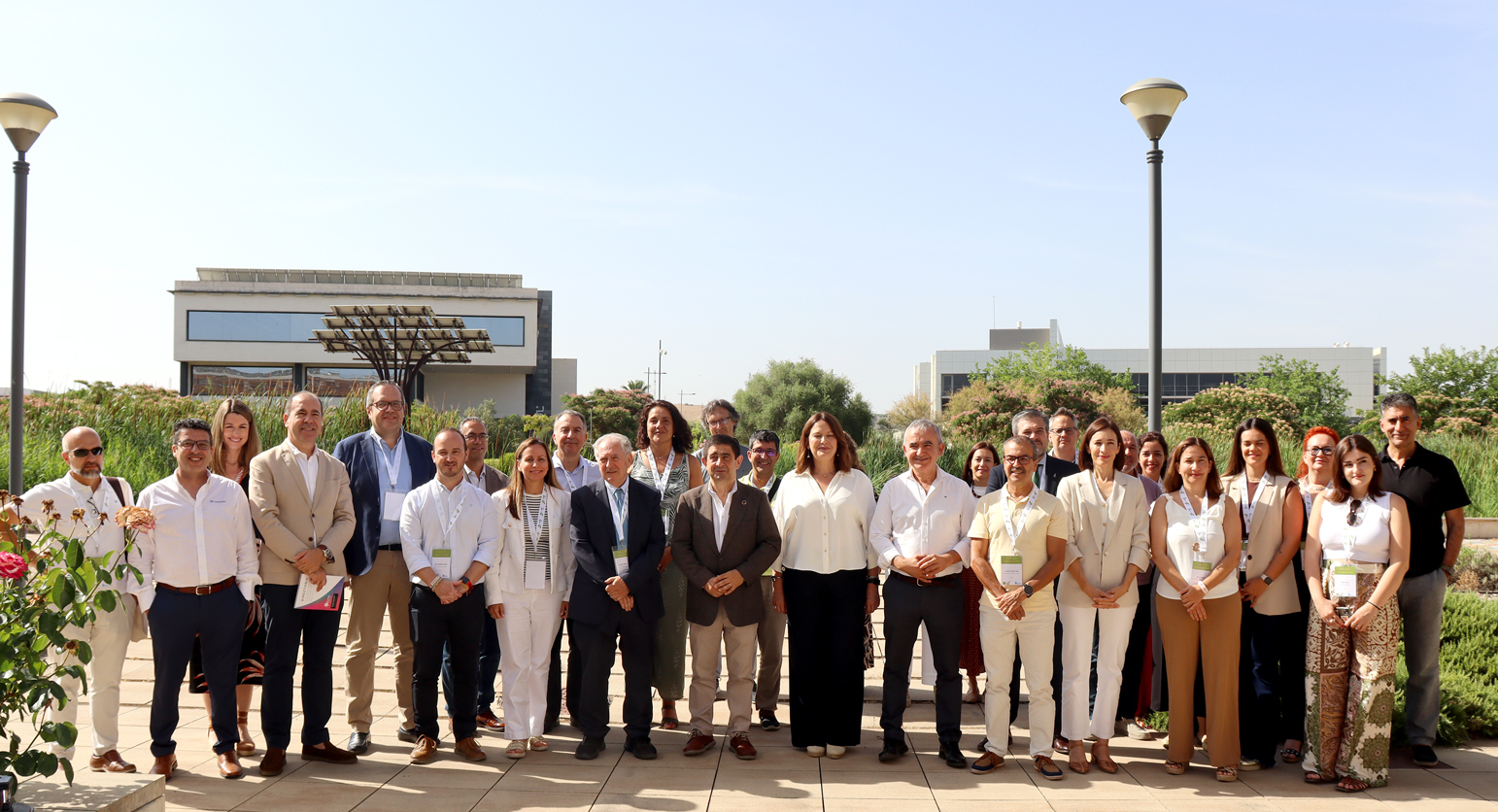
- The Spanish Association of Science and Technology Parks (APTE) has presented the 2024 activity data of the companies and organizations located within the 53 parks that form the association. The presentation took place during APTE’s second General Assembly of the year, held at GEOLIT, the Science and Technology Park of Jaén, as part of its 25th anniversary celebrations
One of the most notable data points from 2024 is the significant growth in investment in Research and Development (R&D), which reached €2.116 billion, representing a 24% increase over 2023 and accounting for approximately 9.5% of the national total. In addition, the total revenue generated by companies and organizations based in these parks rose to €31.576 billion, reflecting a 9.2% increase and a strong economic performance.
The number of companies and organizations located in the parks rose to 6,000, a 1.6% increase over the previous year. This trend reflects the parks’ ability to attract and retain talent and innovative projects.
In terms of employment, the parks hosted a total of 168,462 professionals, a 4.4% increase. Among them, 42,170 are engaged in R&D activities, a 9.1% rise, highlighting the growing concentration of specialized talent within these environments.
Gender equality is also gaining traction: 790 companies are led by women, representing 24.5% of the total (according to data from 40 parks). Additionally, 1,175 companies have implemented equality plans, amounting to 26.3% of the total (based on data from 35 parks).
The sectoral diversity of the parks remains one of their strengths. The information, computing, and telecommunications sectors lead activity with 24%, followed by engineering, consulting, and advisory services (17%), and medicine and health (7%).
These results reaffirm the key role of science and technology parks in Spain’s business and innovation ecosystem, acting as true catalysts for economic and social development.
As part of its General Assembly, APTE also hosted a roundtable focused on the role of science and technology parks in the context of Spain’s new Industry and Strategic Autonomy Law. The roundtable included Carles Fillat, Head of the Business Campus at the Tecnocampus Mataró-Maresme Foundation; Belén Talavera, Project Manager at FUNDECYT-PCTEx; and Javier Taibo, General Manager of the Technology Park of Galicia- Tecnópole
This discussion highlighted the parks’ role in facilitating the transition to a more sustainable, innovation-driven industry. In Galicia, the emphasis was placed on energy independence through renewable sources, while Extremadura is focusing on energy storage infrastructure to support energy-intensive industries.
In Catalonia, initiatives such as “Reimagine Textil” were presented (projects that promote circular economy principles and collaboration with local suppliers) alongside other environmental and social sustainability efforts. Examples like the Almería Science and Technology Park (PITA), which fosters circular economy synergies among companies in areas such as energy, water, and materials, were exposed.
Participants agreed that parks can serve as hubs for replicable best practices for industry, such as shared self-consumption systems, sustainable mobility, and resource reuse.
Talent development and attraction also emerged as a key theme. The mismatch between current educational offerings and actual industrial needs was addressed, with parks positioned as bridges between businesses and universities to define new professional profiles, particularly in digitalization. Málaga TechPark, for instance, hosts working groups where companies help define required profiles and collaborate with universities to develop tailored training programs.
APTE also announced the addition of a new Affiliate Member: the Science and Technology Park of La Rioja (TECHRIOJA), bringing the association’s total membership to 61. In addition, the APTE 2025 Directory was unveiled—a publication providing detailed insight into the impact and contributions of these ecosystems to Spain’s economy and society.