- This breakthrough will improve the efficiency of connected devices, wireless sensors, and smart infrastructures while maintaining high computational performance
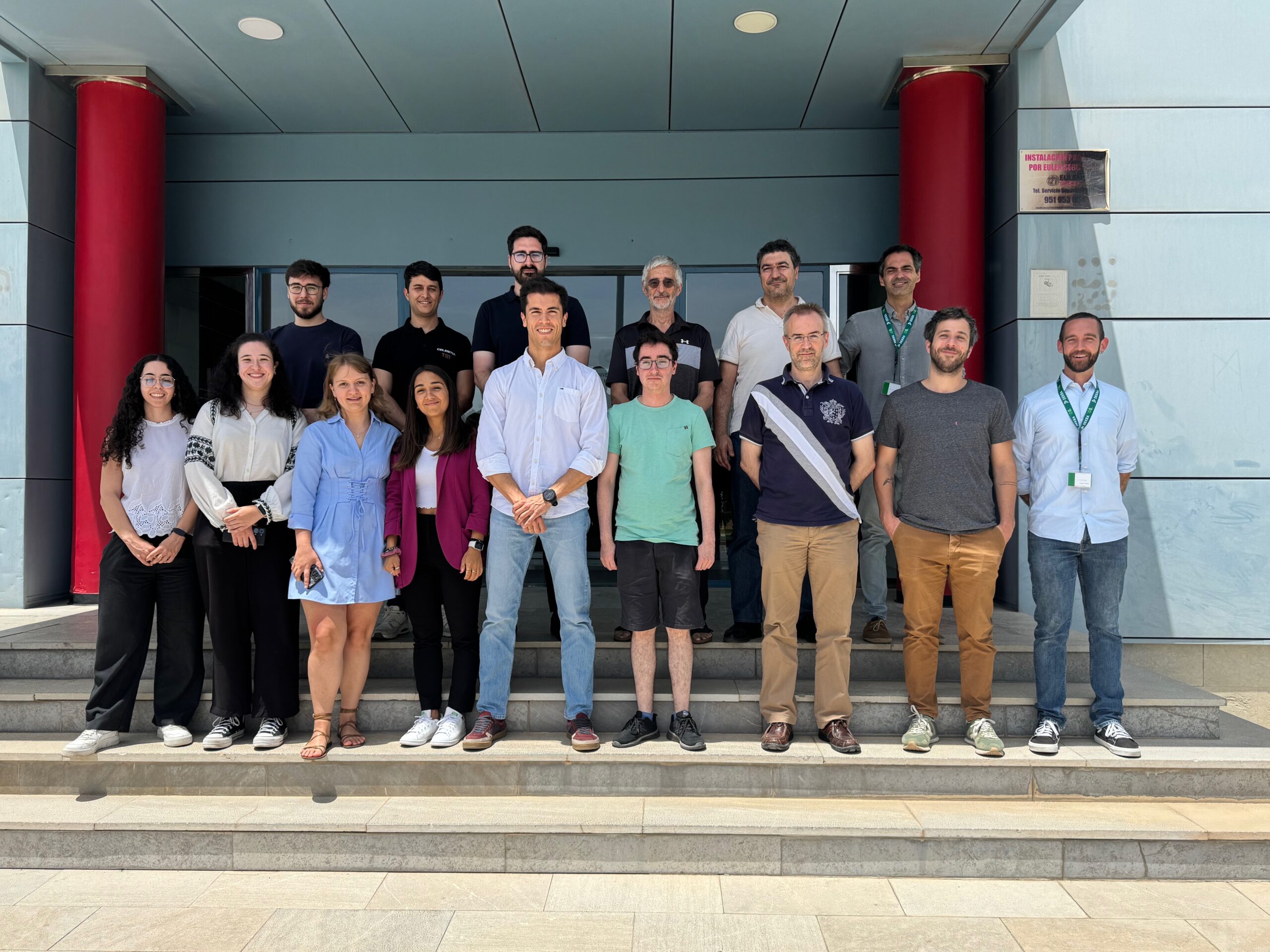
The RISCcom technological research project, involving companies such as IDNEO, Celestia TST, Dekra, Premo, and Innova IRV Microelectronics, has reached a major milestone with the development of the IRV40PX CPU, which achieves at least 40% energy savings compared to comparable ARM and RISC-V processors. This innovation paves the way for more sustainable, efficient, and connected devices.
Thanks to its low power consumption and high processing capabilities, this new CPU is especially well-suited for Internet of Things (IoT) applications, portable medical devices, wireless sensors, smart infrastructure, and other embedded systems where energy efficiency is critical.
The IRV40PX has been evaluated using the CoreMark benchmark, an industry-standard tool for measuring processor core performance. The CPU performs at the level of leading ARM and RISC-V cores on the market, achieving a score of 2.73 CoreMark/MHz.
“These results demonstrate that it is possible to design low-power processors without sacrificing computing power,” said Óscar Chabrera, CEO of Innova IRV Microelectronics, one of the project partners. “With the IRV40PX, we are contributing to more sustainable technology and opening new opportunities for connected applications that require energy autonomy and security.”
The goal of RISCcom is to research RISC-V Open Source technologies, exploring extensions and instruction sets in order to develop secure, versatile, and energy-efficient systems. These features are essential in today’s context of sustainable digitalization and growing connectivity demands.
“Our researchers have also developed the IRV20 core, focused on optimizing energy consumption, achieving over 40% reductions compared to comparable ARM and RISC-V solutions,” added Chabrera. “With the IRV20 core, we ensure that the lifespan of sensor electronics exceeds that of their batteries, minimizing maintenance costs of deployed solutions and enabling the large-scale deployment of sensors.”
About RISCCom
The development of this technology has been made possible through the collaboration of companies, including IDNEO, Celestia TST, Dekra, Premo, and Innova IRV Microelectronics, all working under the RISCcom project.
The project is funded by the Centre for the Development of Industrial Technology (CDTI) and the European Union through NextGenerationEU funds, as part of the Government of Spain’s Recovery, Transformation, and Resilience Plan.