- The technology park posted record figures, with revenue up 17.11% and 1,088 new jobs created, strengthening its role as an economic driver by contributing one third of the city of Málaga’s GDP
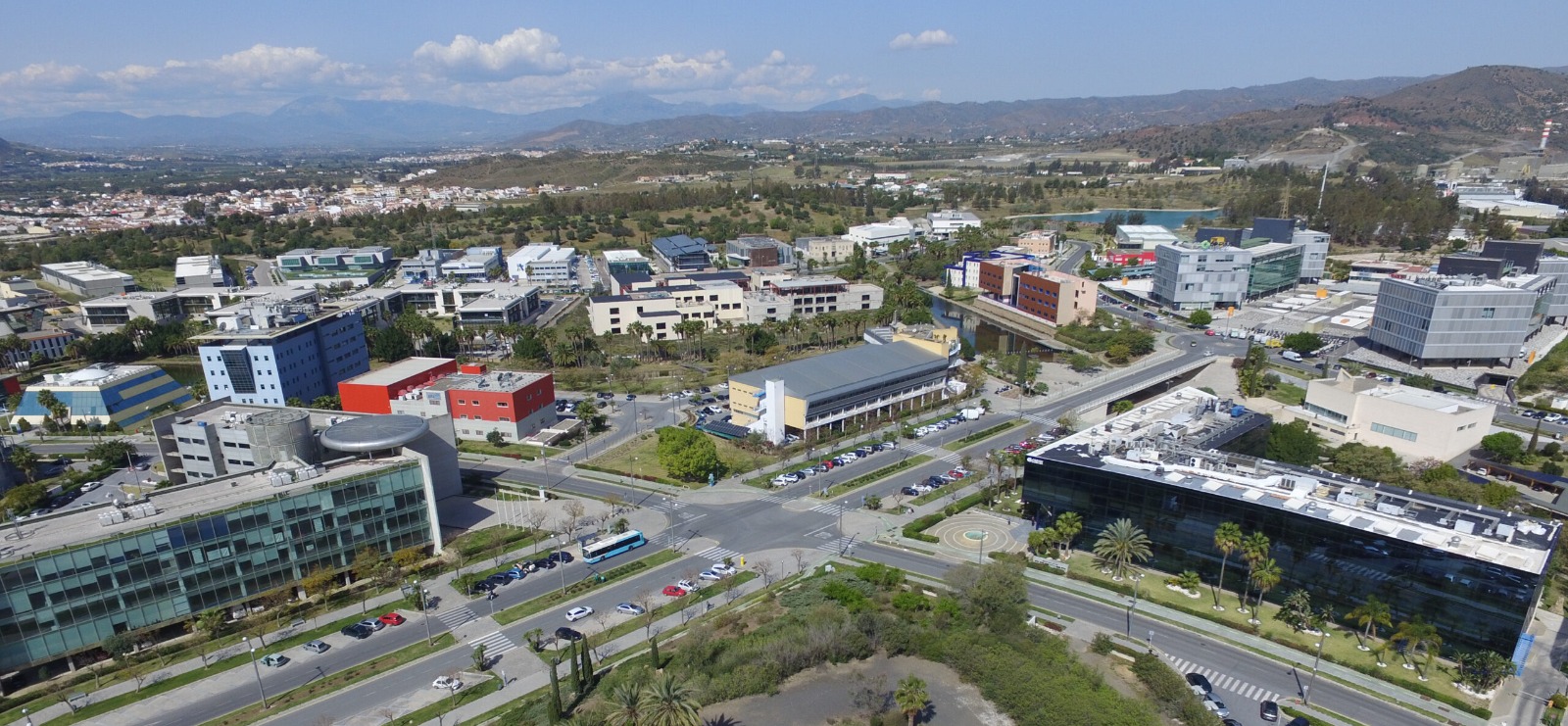
Málaga TechPark closed 2025 with historic results that confirm its position as a leading innovation and technology ecosystem in Southern Europe. The park reached a total of 29,018 employees, representing an increase of 3.89% (1,088 new jobs) compared to the previous year. In addition, the total revenue of companies and institutions based in the park saw significant growth of 17.11%, reaching €4,896 million.
The technology park boasts a solid, mature and stable business ecosystem, with 719 organisations at year-end. Its strong B2B appeal in the global market is reflected in the presence of 73 foreign-owned companies from 22 countries, employing around 8,000 professionals. To support this growth, total investment in the park during 2025 reached €56.5 million, an increase of 52.7% compared to 2024, driven largely by private investment, which accounted for €54.5 million.
Cutting-edge technology and microelectronics
Málaga TechPark continues to strengthen its role as a hub for key technologies. The electronics, information technology, computing and telecommunications sectors remain the park’s main drivers, accounting for 52% of total employment. This leadership is underpinned by a strong commitment to knowledge: in 2025, business investment in R&D exceeded €255 million (up 36.21% year-on-year), directly employing 3,275 professionals in these areas.
Significant progress was also made in 2025 on the IMEC project at Málaga TechPark, which will reach a major milestone with the establishment of the company’s first headquarters in Spain. In January, the Spanish Society for Technological Transformation (SETT), through INECO, launched the tender for the drafting and basic design of the centre with a budget of €8 million; the contract was awarded for €6 million and formalised in April. In line with the roadmap, the basic design was presented in October to Málaga City Council in order to obtain the building permit, with the first construction phases scheduled to be tendered at the beginning of 2026.
International standing
The park’s global dimension took a qualitative leap this year. Málaga TechPark consolidated its international role and expanded its global footprint, now reaching 211 cities across 77 different countries. At European level, it launched three new key projects: UpTech, Agrobotics-DiTwins and Uninovis. In addition, as part of bilateral cooperation with non-EU countries, the park signed high-level international agreements with Kyoto Research Park (Japan) and the Wuhan Institute of Industrial Innovation (China), while further strengthening its longstanding relationship with Hsinchu Science Park in Taiwan.
This international standing was also officially recognised this year, as Málaga TechPark participated as a global benchmark in the pre-development stage of the new ISO 56012 standard on innovation ecosystem management, alongside leading models such as Silicon Valley (US) and Haier (China).
Regional impact and ecosystem
The park’s success has translated into an unprecedented socioeconomic impact on its surroundings. According to a study conducted by the Institute of Economics and Business for Society (IEBSociety), Málaga TechPark generates 2.33% of Andalusia’s GDP, 10.68% of the province’s GDP and a remarkable 34.97% of the city of Málaga’s GDP. It also plays a key role in talent retention in the region, with 94% of its employees living in the province.
The geographical distribution of employment shows that six out of ten employees (59%) live in the city of Málaga, particularly in districts such as Cruz de Humilladero and Carretera de Cádiz. The remaining workforce is distributed across the province, mainly in the western Costa del Sol (13%), the Guadalhorce Valley (10%) and the eastern Costa del Sol-Axarquía (7%).
Finally, to further strengthen this ecosystem and build networks beyond its physical boundaries, Málaga TechPark has continued to develop strategic innovation locations. Notable examples include the consolidation of The Green Ray and the UMA innTech initiative, both in collaboration with the University of Málaga, as well as ambitious cooperation agreements and new locations developed with the Port of Málaga, Unicaja Foundation, Soho Theatre, Antequera City Council and the Innova IRV Foundation. All these initiatives aim to foster business projects and support start-ups addressing regional technological challenges, reinforcing Málaga TechPark’s position as an ecosystem that combines world-class technological development with an exceptional quality of life.